Patent Protection for Inventors & Startups
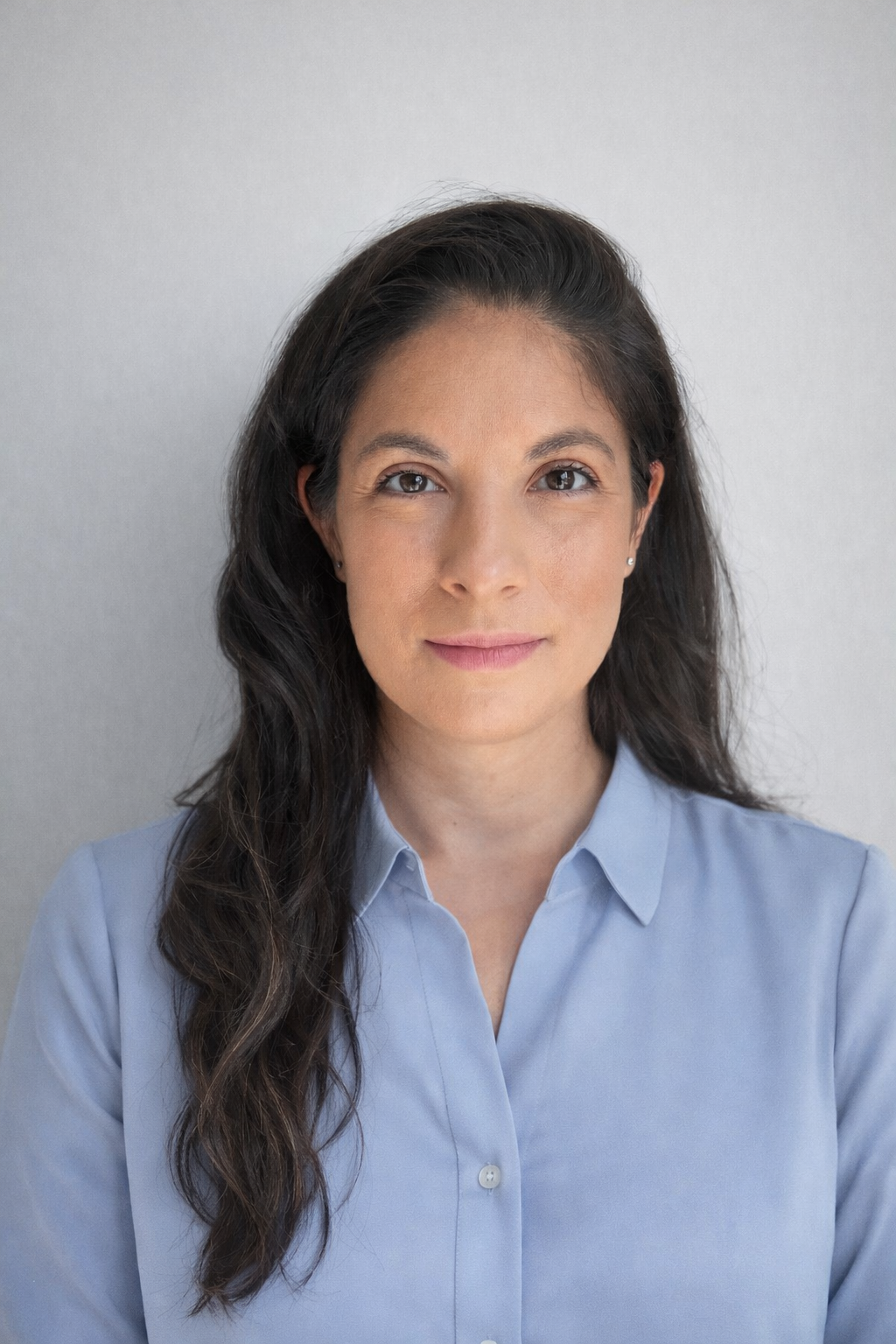
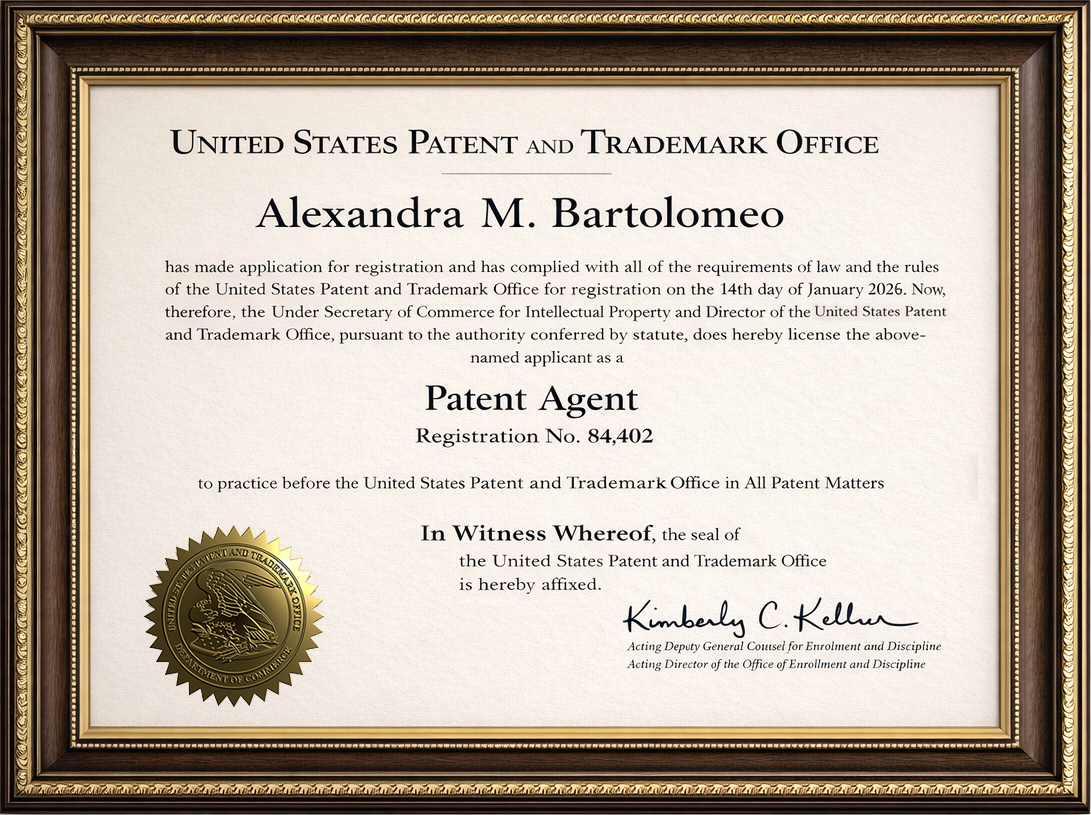
I'm Alexandra Bartolomeo, a USPTO-licensed patent agent with an engineering background. Tell me how your product works and I'll take care of the entire patent application process from there.
You're only a few clicks away from "patent pending."
Who I Work With
Inventors
You've invented your product and you're ready to bring it to life. Whether this is your 1st patent or your 50th, I've got you covered.
Online Sellers
Amazon FBA, Shopify, and Kickstarter creators who need to protect their products before competitors copy them.
Small Startups
Early-stage companies preparing for fundraising or manufacturing. Products include consumer goods, mechanical devices, and more.
Services
All services are flat-fee. No hidden costs, no hourly billing.
Consultation
$80 30 minutes
A 30-minute one-on-one session to discuss your invention, review your options, and plan your next steps.
Provisional Patent
$900 flat fee
Establish an early filing date and get 12 months of patent pending status while you prepare your full application.
Non-Provisional Patent
$2,000 flat fee
The full utility patent application that gets examined by the USPTO and can result in a granted patent.
Design Patent
$900 flat fee
Protect the unique ornamental appearance of your product. Covers how it looks, not how it works.
Patent Search
$450 flat fee
A comprehensive prior art search to understand what already exists and assess your chances of getting a patent.
Office Action Response
Varies varies by complexity
Professional response to USPTO examiner objections or rejections to keep your patent application moving forward.
Not sure if you need a patent?
Take my free 2-minute quiz to get a preliminary assessment of your invention's patent potential.
Take the Patent QuizCommon Questions
What's the difference between a patent agent and a patent attorney?
A patent agent is licensed by the USPTO to prepare and file patent applications, just like a patent attorney. The main difference is that patent attorneys handle legal matters such as lawsuits, while patent agents focus entirely on the patent application process. In fact, when it comes to the work of actually writing and filing your patent application, a patent agent and a patent attorney perform the exact same job.
Many of the top patent writers in the world never became an attorney. I have a deep appreciation for the craft of patent drafting and working closely with entrepreneurs. To write a killer patent, you need a combination of technical writing skills, industry & market awareness, and business sense. I believe that patent drafting is truly an art form.
What is a utility patent?
A utility patent protects how an invention works, including its function, structure, or composition. It is the most common type of patent and lasts for 20 years from the filing date. Utility patents cover things like new machines, processes, chemical compositions, and improvements to existing inventions. If your invention does something new or does something in a new way, a utility patent is likely what you need.
What is a design patent?
A design patent protects the ornamental appearance of a product, meaning how it looks rather than how it works. Design patents last for 15 years from the date they are granted. They are a good option when the visual design of your product is distinctive and you want to prevent competitors from copying that specific look.
A good example of this is the circular home button on an iPhone. Apple patented this with a design patent. That's why you didn't see that home button shaped the same way on Samsung phones.
What are patent claims?
Patent claims are the legal boundaries of your patent. They define exactly what your invention covers and what is protected. Think of them like the property lines on a deed. Everything inside the claims is yours, and everything outside is not.
A patent application can have multiple claims, and each one describes a specific aspect of your invention. The claims are the most important part of your patent because they determine what competitors can and cannot copy. Writing strong claims requires a balance between being broad enough to provide real protection and specific enough to hold up against existing inventions.